
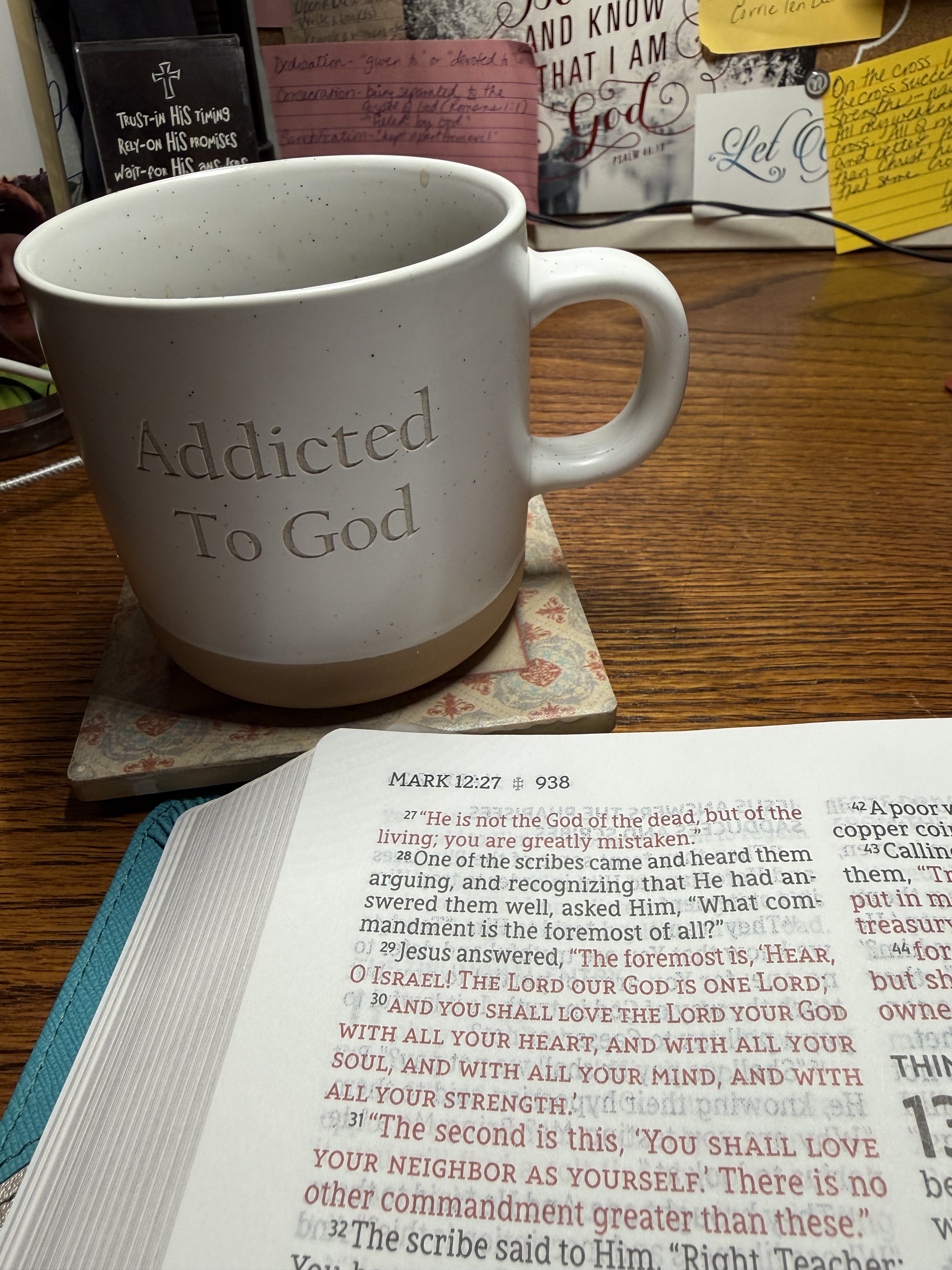
If you’ve ever picked up the Bible and thought, “This feels like a foreign language to me,” you are not alone. Maybe you’ve tried reading it and felt confused, bored, or even a little ashamed because it just doesn’t make sense. Or maybe you long for a real relationship with God but don’t know where to start.
I completely understand – I hear this often from women I mentor. It is important to consider that the Bible was written in a completely different time and world than ours. The people who wrote it didn’t have phones, cars, or the internet. They spoke different languages, lived in different cultures, and told stories in ways that don’t always sound like our quick modern self-help books.
Sometimes the words just feel old, making a verse feel irrelevant, antiquated, or out of date. But here’s something important the Bible itself explains:
In 1 Corinthians 2:14 (NLT) it says, “People who aren’t spiritual can’t receive these truths from God’s Spirit. It all sounds foolish to them and they can’t understand it, for only those who are spiritual can understand what the Spirit means.”
In 2 Corinthians 4:3-4 (NLT) we read, “If the Good News we preach is hidden behind a veil, it is hidden only from people who are perishing. Satan, who is the god of this world, has blinded the minds of those who don’t believe. They are unable to see the glorious light of the Good News.”
If the words feel veiled or confusing right now, it might not only be the language or the history — there can be a spiritual side too. Our wounds, weights, and old ways can keep our hearts a little closed off… until we gently invite the Holy Spirit to help us see.
Here’s the good news: You don’t have to stay stuck there. The same Jesus who rose from the dead is ready to come into your life right now. If you’ve never invited Him in, or if you want to open your heart fresh today, you can simply pray something like this from your heart:
“Jesus, I believe You are the Son of God who died for me and rose again. I’m tired of carrying these wounds, weights, and old ways on my own. Please forgive me, come into my life, and fill me with Your Holy Spirit. Help me understand Your Word and become truly addicted to You. Amen”
The moment you invite Him, the Holy Spirit begins to lift the veil and open your eyes to the beauty of God’s Word. It’s the beginning of the most life-giving relationship you’ll ever have.
Don’t lose hope! The very same Bible that can feel foreign at first is actually the most powerful, life-giving book in the world. Read Psalm 19:7-14 (NLT) and see how God describes His Word. He says it revives us, makes us wise, brings joy, and gives insight for living. That’s powerful – and worth the pursuit.
Proverbs 30:5-6 (NLT) reminds us: “Every word of God proves true. He is a shield to all who come to him for protection. Do not add to his words, or he may rebuke you and expose you as a liar.”
Even when it feels hard to understand at first, every word is true and protective. God wants to use His Word to heal your wounds, lift your weights, and change your ways — so you can transfer all of that to the one healthy addiction that truly satisfies: Him.
You’re not defective if the Bible feels confusing right now. It simply means you’re human and you’re stepping into something divine. God didn’t give us a cold checklist — He gave us stories, songs, letters, and real-life truths so we could truly know Him. It’s a lot like beginning any new relationship. At first it feels awkward, but the more time you spend, the more comfortable it becomes — especially as the Holy Spirit softens your heart.
Here are a few gentle, practical steps you can try this week:
- Use an easy-to-read translation like the New Living Translation (NLT). Pair it with the YouVersion Bible app and listen to the chapter read aloud — it helps the words come alive without getting stuck on hard pronunciations.
- Don’t start at the beginning. Begin with the story of Jesus in the book of John or Mark.
- Pray before you read: “God, I don’t understand this very well, but I want to know You. Holy Spirit, please open my eyes and my heart.”
- Keep it short and kind to yourself — just 10 minutes a day is better than forcing more when you feel overwhelmed.
- Don’t go it alone. Talk with friends, join a Bible study, or watch short Bible Project videos on YouTube to understand the big picture.
When my days were packed with corporate work, raising my daughters, and earning my master’s degree, I had to schedule time with God like any important appointment. That small shift changed everything for me. I realized that if I wouldn’t skip meetings or time with my girls, how much more important was my time with Him?
Read just one chapter a day, or even just a short section within those books. If you have a study Bible – read the footnotes and gain a deeper, more applicable understanding. Don’t forget to pray first. If something confuses you, that’s okay — just keep showing up anyway.
You’ve got this my friend. The Bible isn’t meant to stay confusing forever. It’s meant to become the most life-changing voice in your story — the place where you meet with God Himself and discover real freedom from the wounds, weights, and ways that have held you back.

 Godly Girlfriends